

asdasdasd

TACTILE FLOORING & CONTRAST MARKINGS

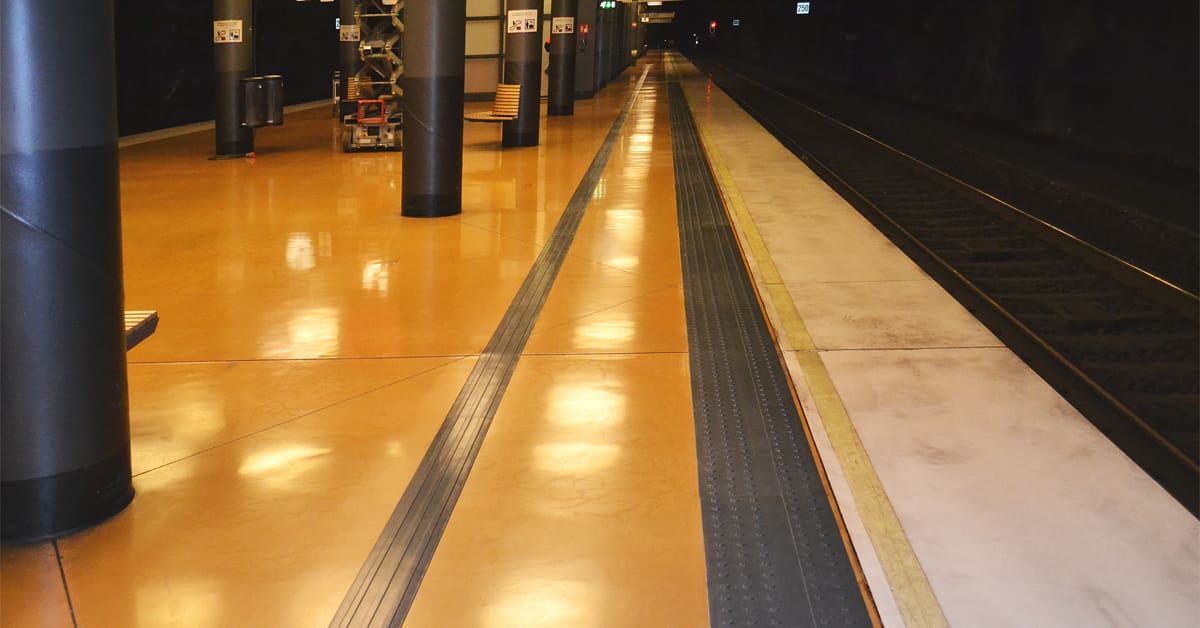
Tactile paving is needed in many places and for various reasons. Its primary purpose is to provide guidance and warning to visually impaired pedestrians, helping them navigate safely and independently. **Where tactile paving is needed:** * **Public transportation hubs:** Train stations, bus stops, subway platforms, ferry terminals. This is crucial for people to find the correct boarding areas, avoid falling onto tracks, and reach exits. * **Street crossings and intersections:** At the edge of the sidewalk before a road crossing. This warns pedestrians that they are approaching a potential hazard (traffic) and helps them align themselves with the crossing. * **Stairways and ramps:** At the top and bottom of stairs and ramps. This alerts users to changes in elevation, preventing falls. * **Building entrances and exits:** At the threshold of public buildings, shops, and service centers to guide people inside and help them find their way out. * **Sidewalks and pedestrian pathways:** In areas where the path might be unclear, cluttered, or where there are potential hazards like street furniture, utility boxes, or changes in pavement material. * **Information kiosks and service points:** To help visually impaired individuals locate and approach points of interest or assistance. * **Areas with sudden drops or changes in level:** Such as cliff edges, canal banks, or the edge of a quay. * **Underground and overhead pathways:** To warn of the transition from open space to enclosed areas or vice versa. **Why tactile paving is needed:** * **Guidance and Navigation:** Tactile paving provides a distinct surface that can be detected through touch (using a cane or by walking on it). This helps visually impaired individuals orient themselves and follow a safe path. Different patterns can convey different messages, such as "stop" or "proceed with caution." * **Hazard Warning:** The raised patterns serve as a tactile warning of potential dangers, such as the edge of a platform, a street crossing, or a change in elevation. This is critical for preventing accidents and injuries. * **Independence and Accessibility:** By providing clear and consistent tactile cues, this paving allows individuals with visual impairments to travel more independently and with greater confidence, reducing their reliance on others. * **Safety:** The primary reason is to enhance the safety of visually impaired pedestrians by alerting them to hazardous situations and guiding them along safe routes. * **Universal Design:** Implementing tactile paving is a key aspect of universal design, which aims to create environments that are usable by everyone, regardless of their abilities. * **Legal Requirements:** In many countries, tactile paving is a legal requirement under accessibility legislation to ensure public spaces are safe and navigable for people with disabilities. In summary, tactile paving is an essential accessibility feature that, when strategically placed, significantly improves the safety, independence, and overall experience of visually impaired pedestrians in public spaces.


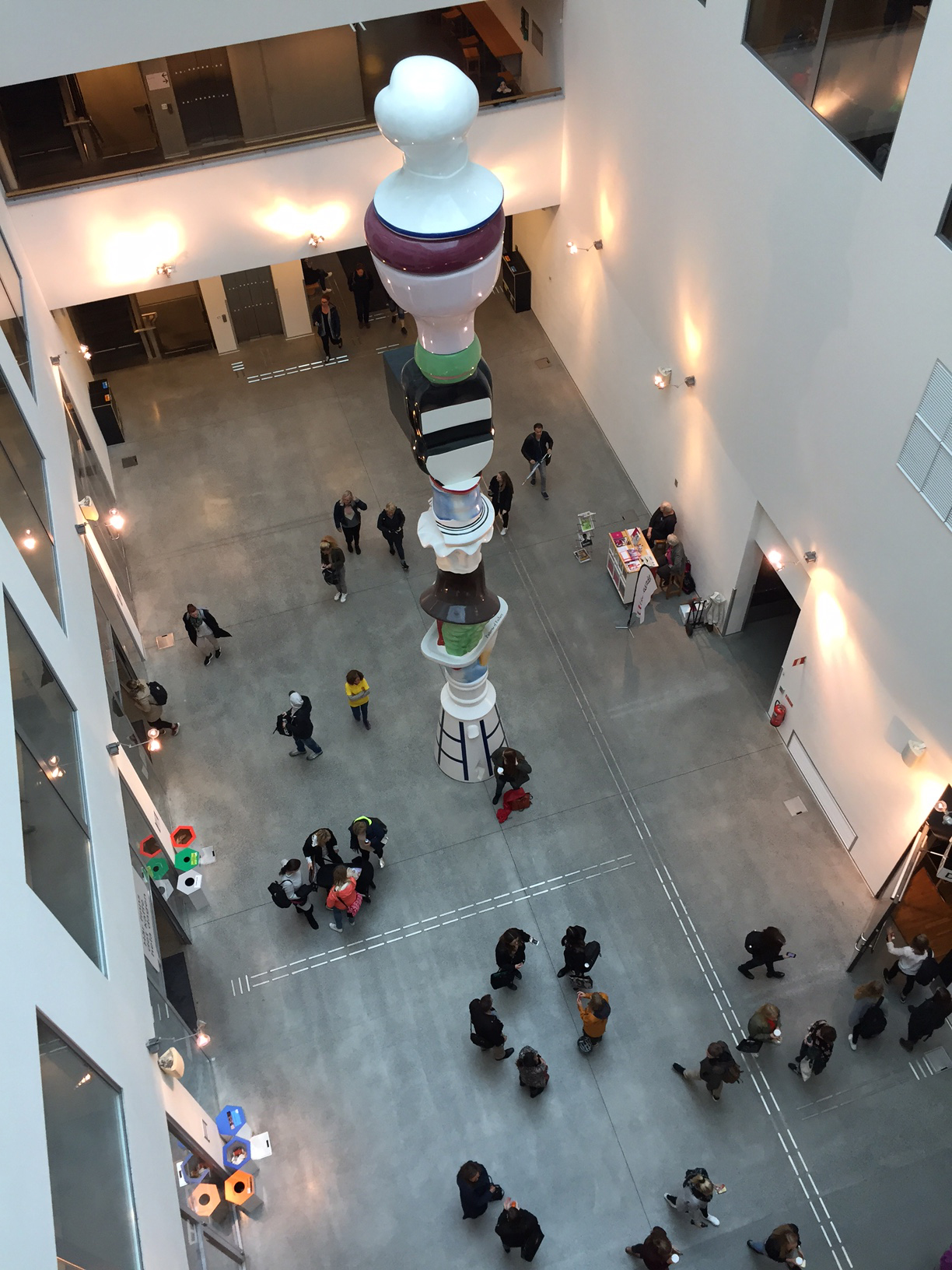
In Sweden, tactile guidance paths are an important part of accessibility in so-called public premises – that is, environments to which the public has access, such as shops, shopping centers, libraries, healthcare settings, and stations.

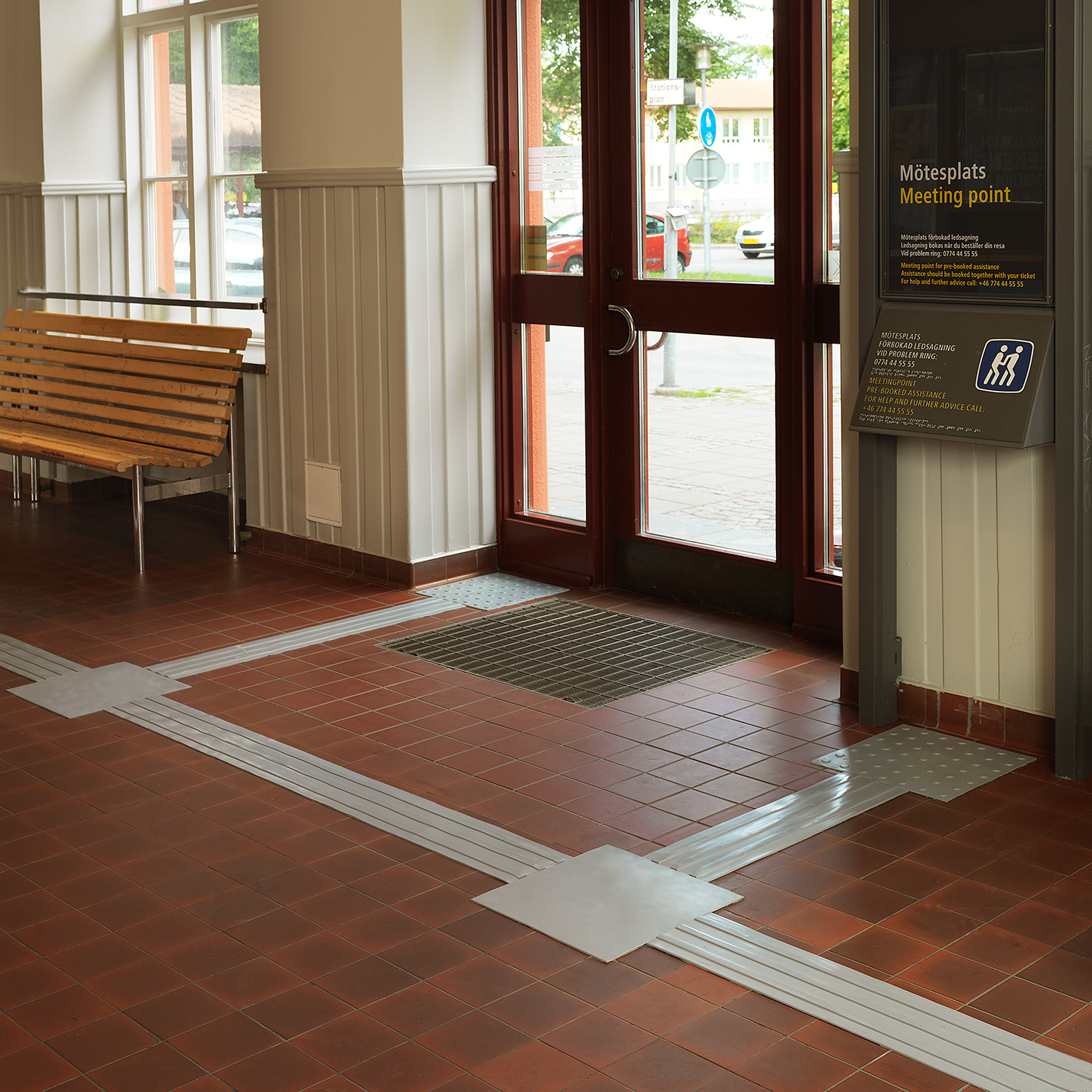
Tactile paving is raised markings on floors or carpets that enable visually impaired people to navigate and find important features such as entrances, reception areas, elevators, and restrooms.

Does that sound complicated? Read our simple guide

Guide paths for different surfaces, environments & styles


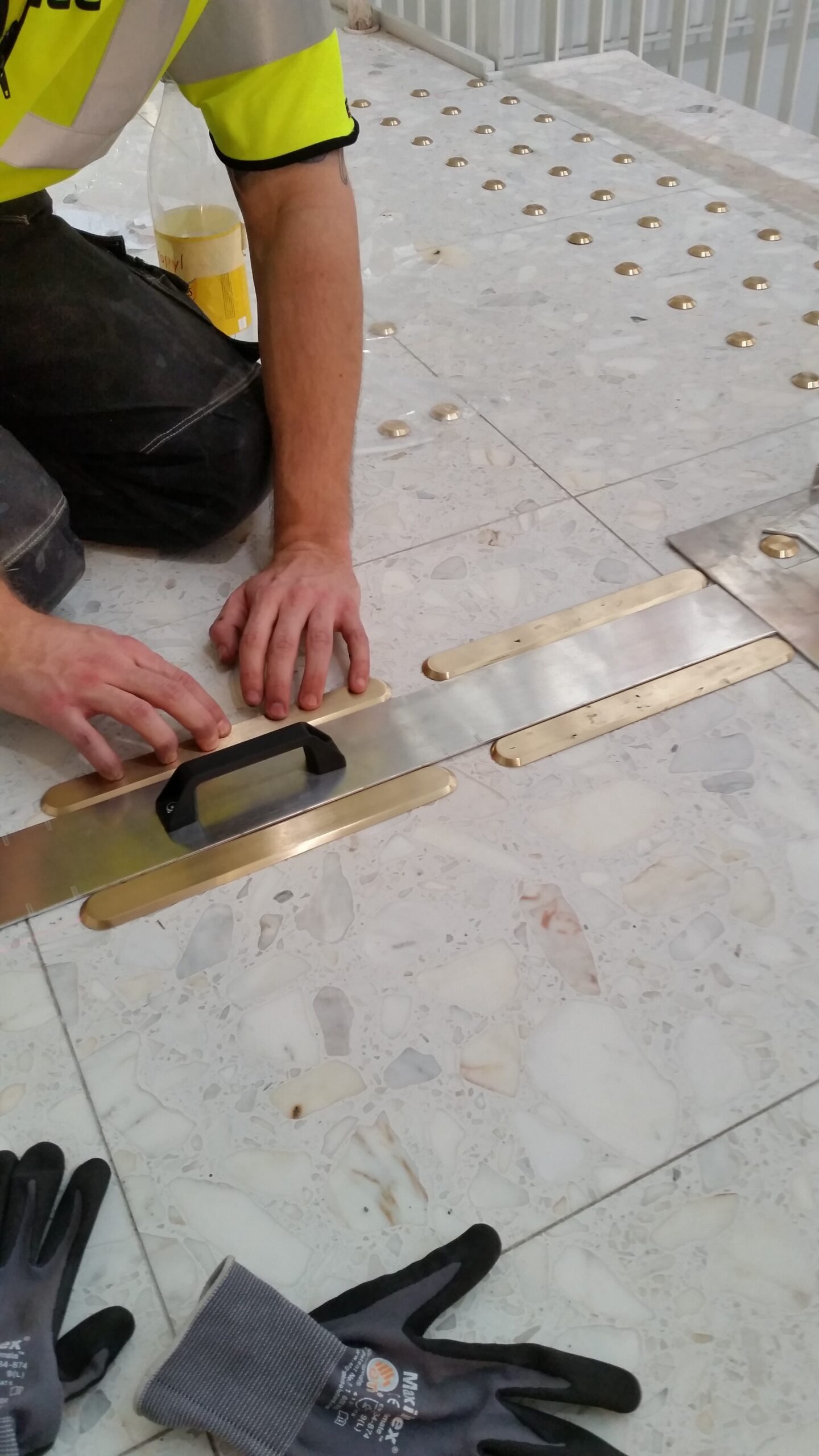
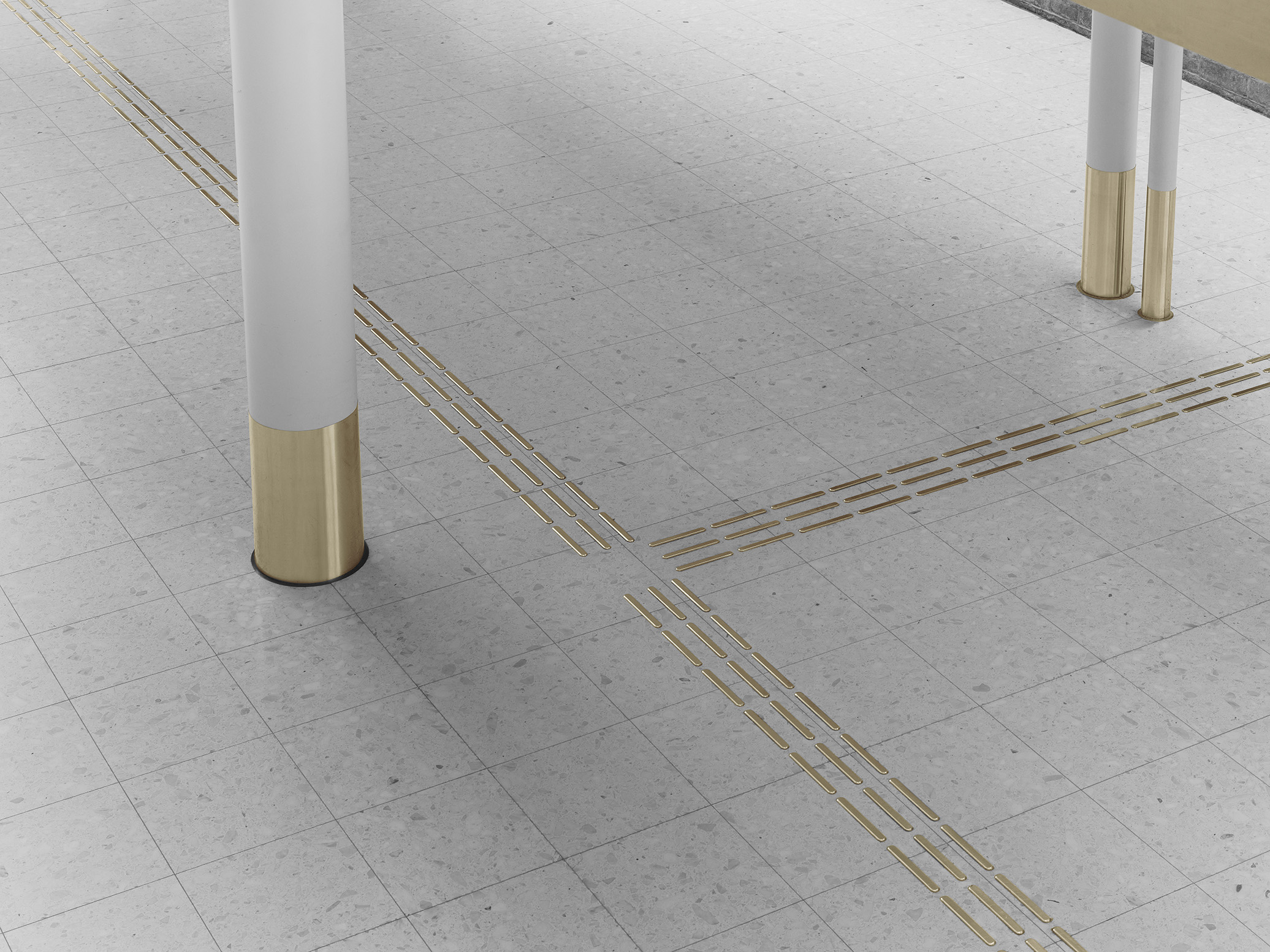
Guide strips can be mounted on various types of substrates or integrated directly into a carpet. With a wide range of materials and designs, we offer solutions that both meet current accessibility requirements and harmonize with the environment's architecture and design.

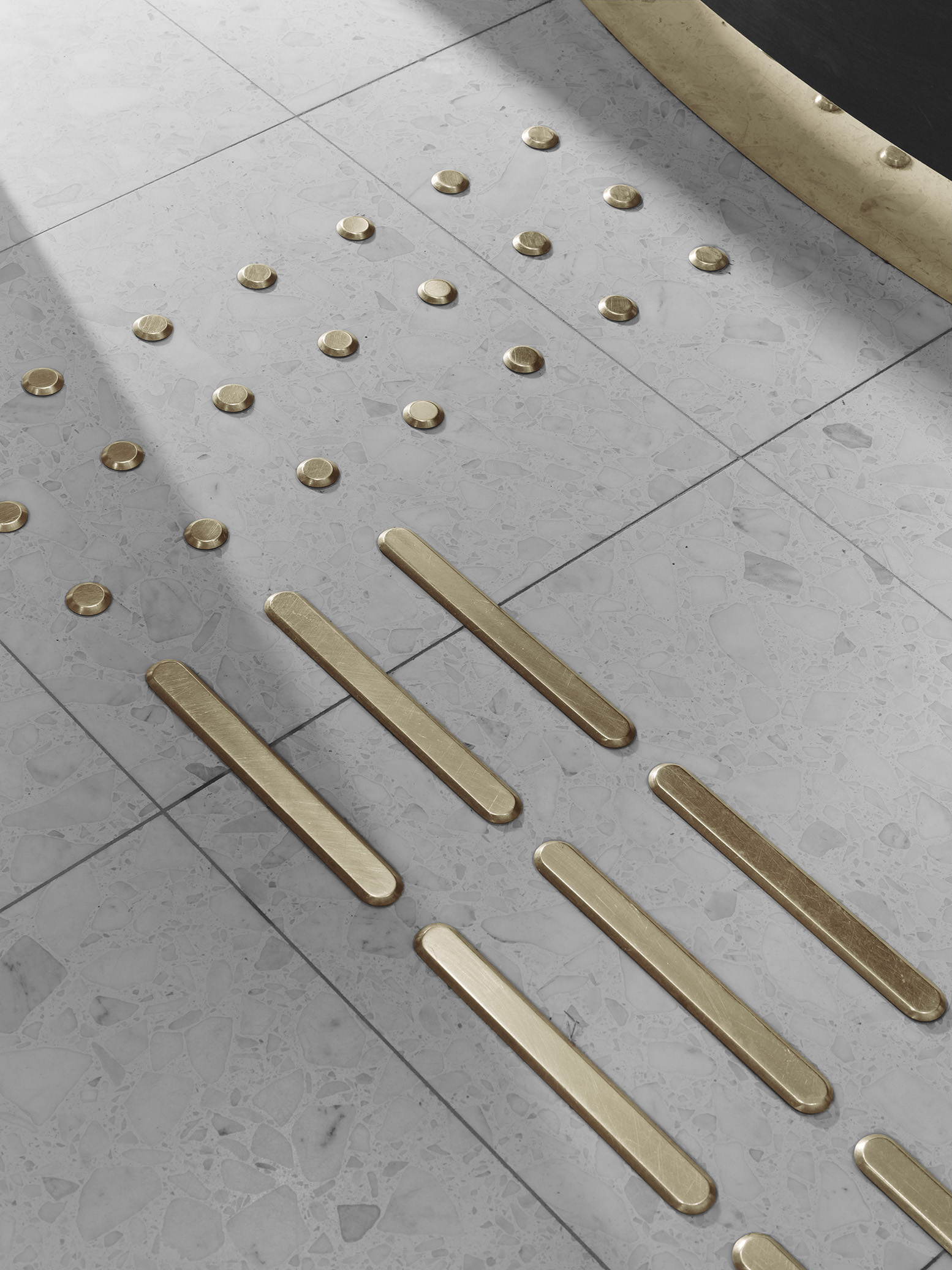
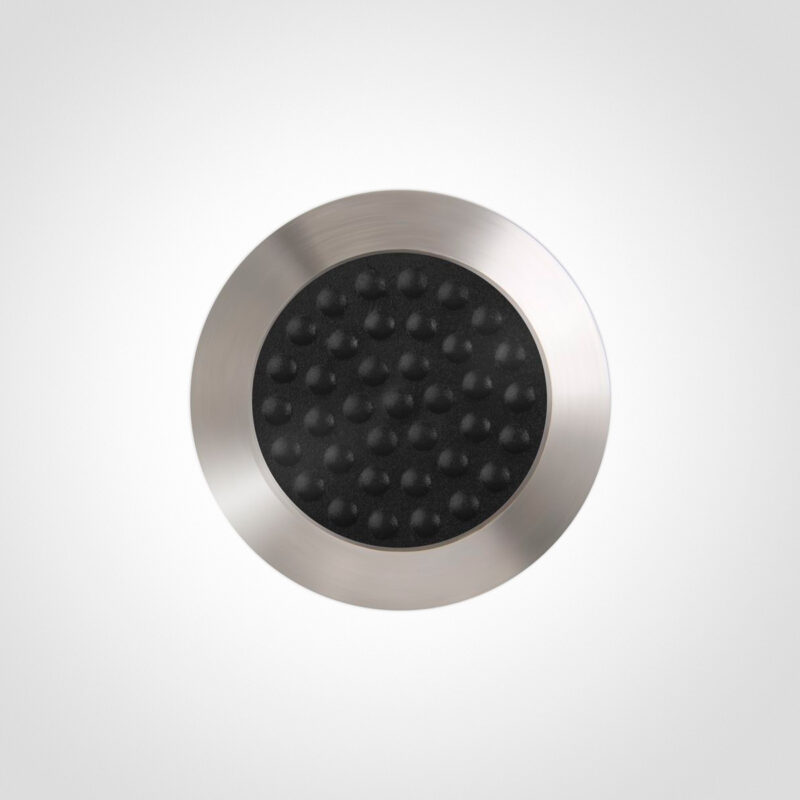
Staves and Rivets

In brass and stainless steel. For increased contrast, also with TPU inserts in black or white.

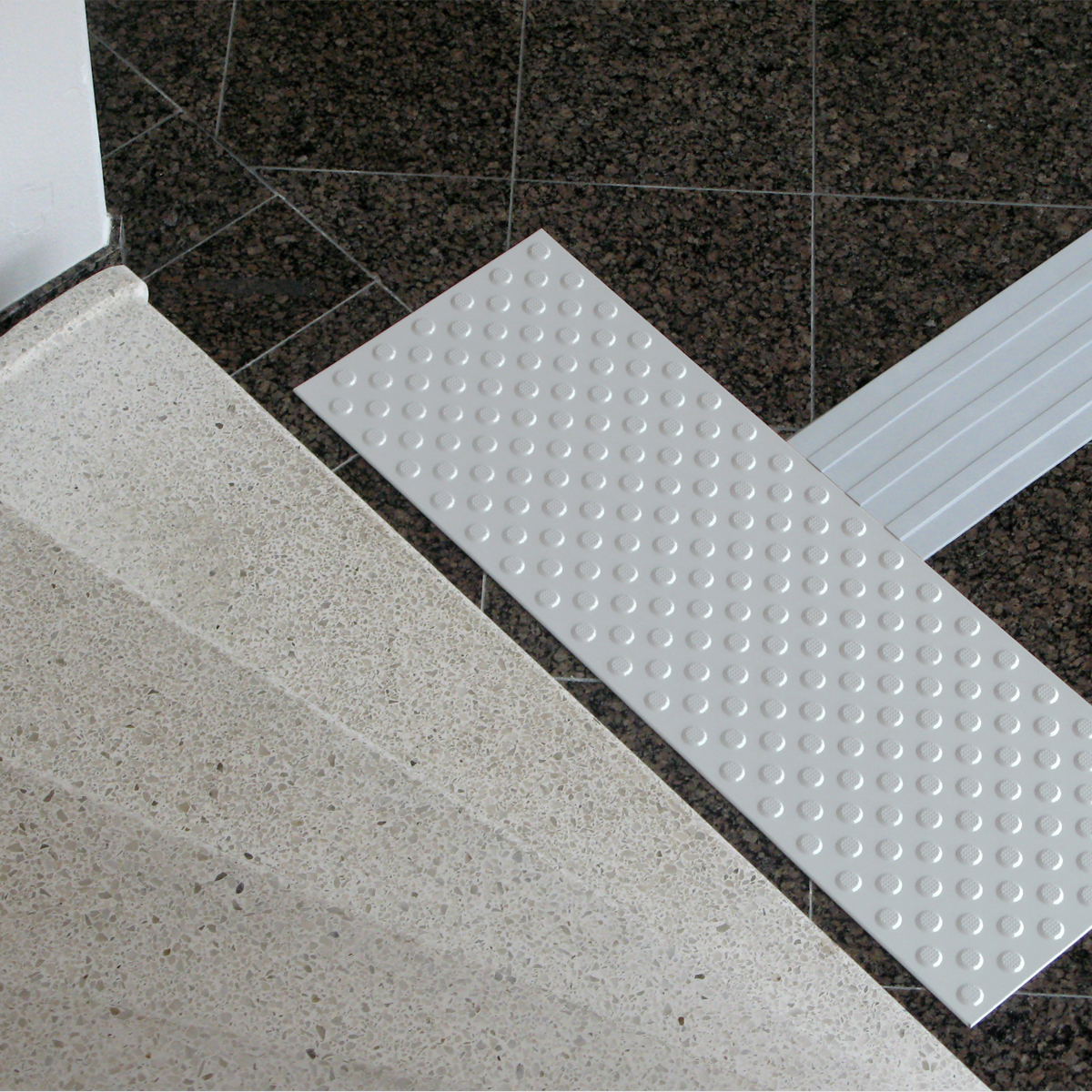
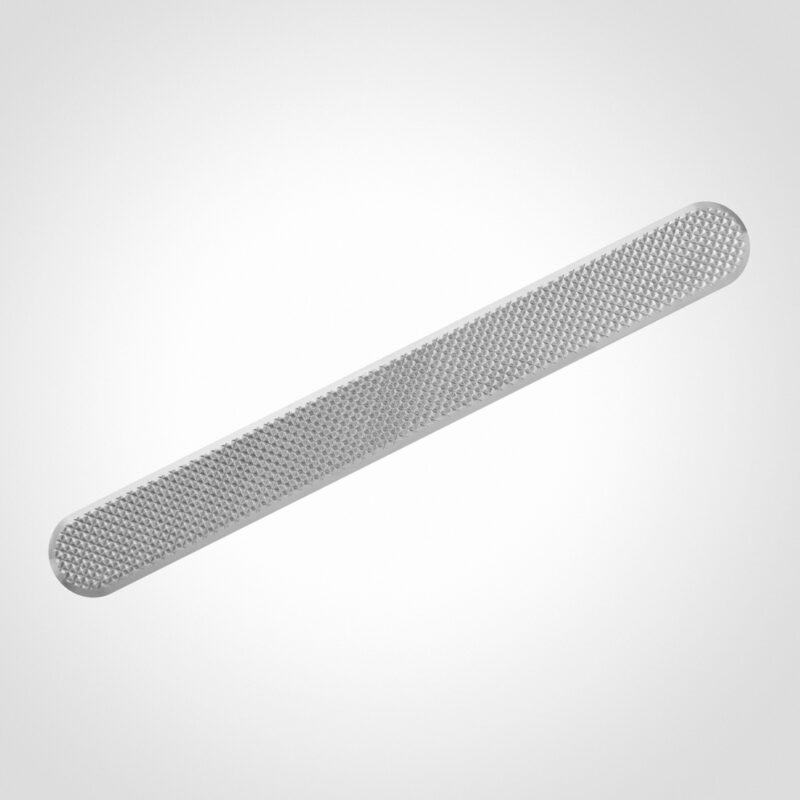
Strokes

Non-slip and wheelchair accessible. High contrast. In rubber, acrylic, or aluminum.

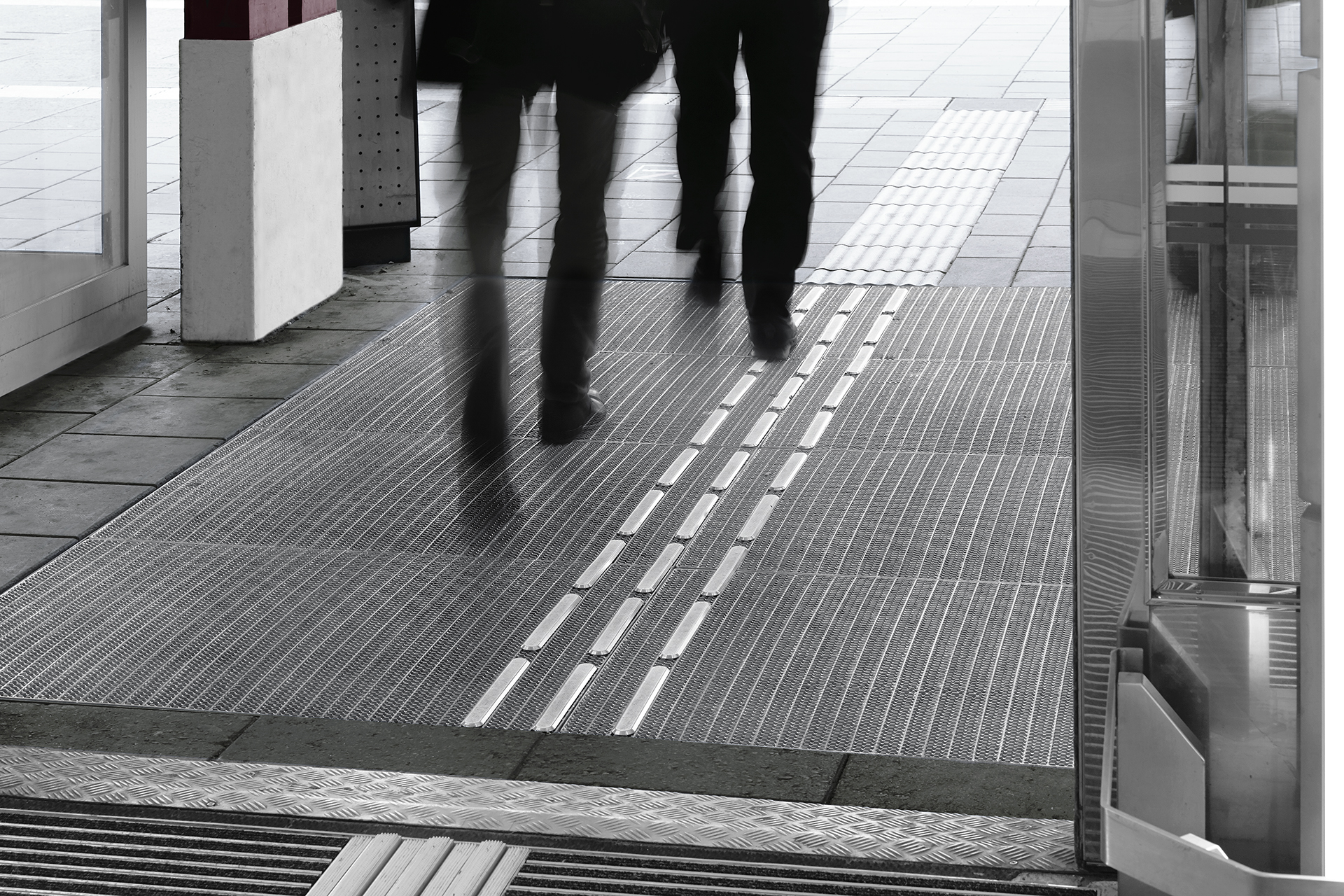
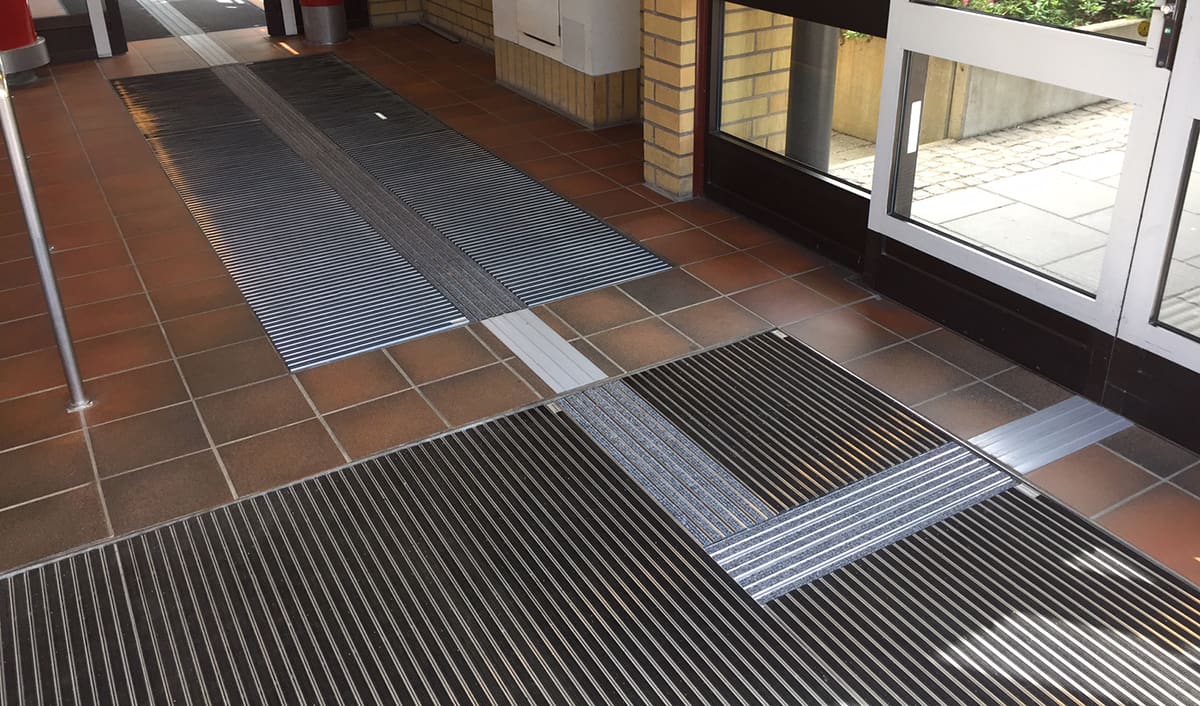
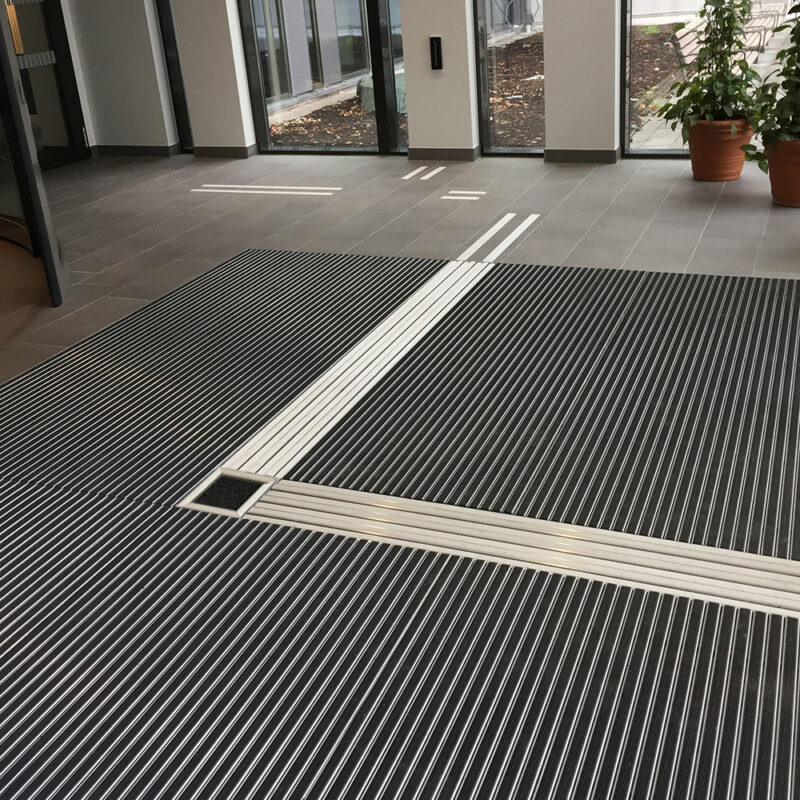
STREET IN FRONT ENTRANCE MATS

Smooth solution for the entrance. Floor guides are placed in the mat.

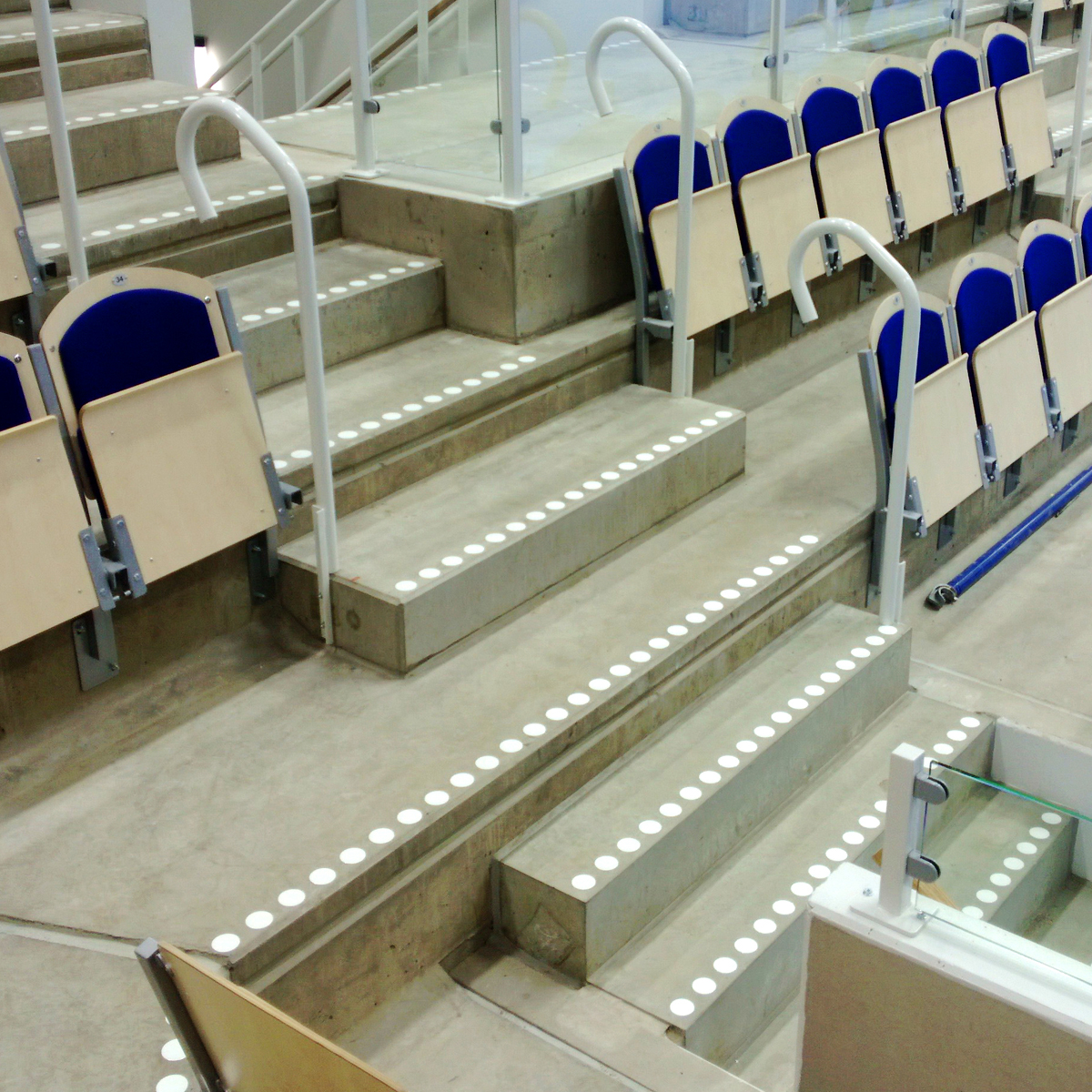
Stair markings

Nuts and rubber pads.

contrast markings

Markings for floors and stair treads.

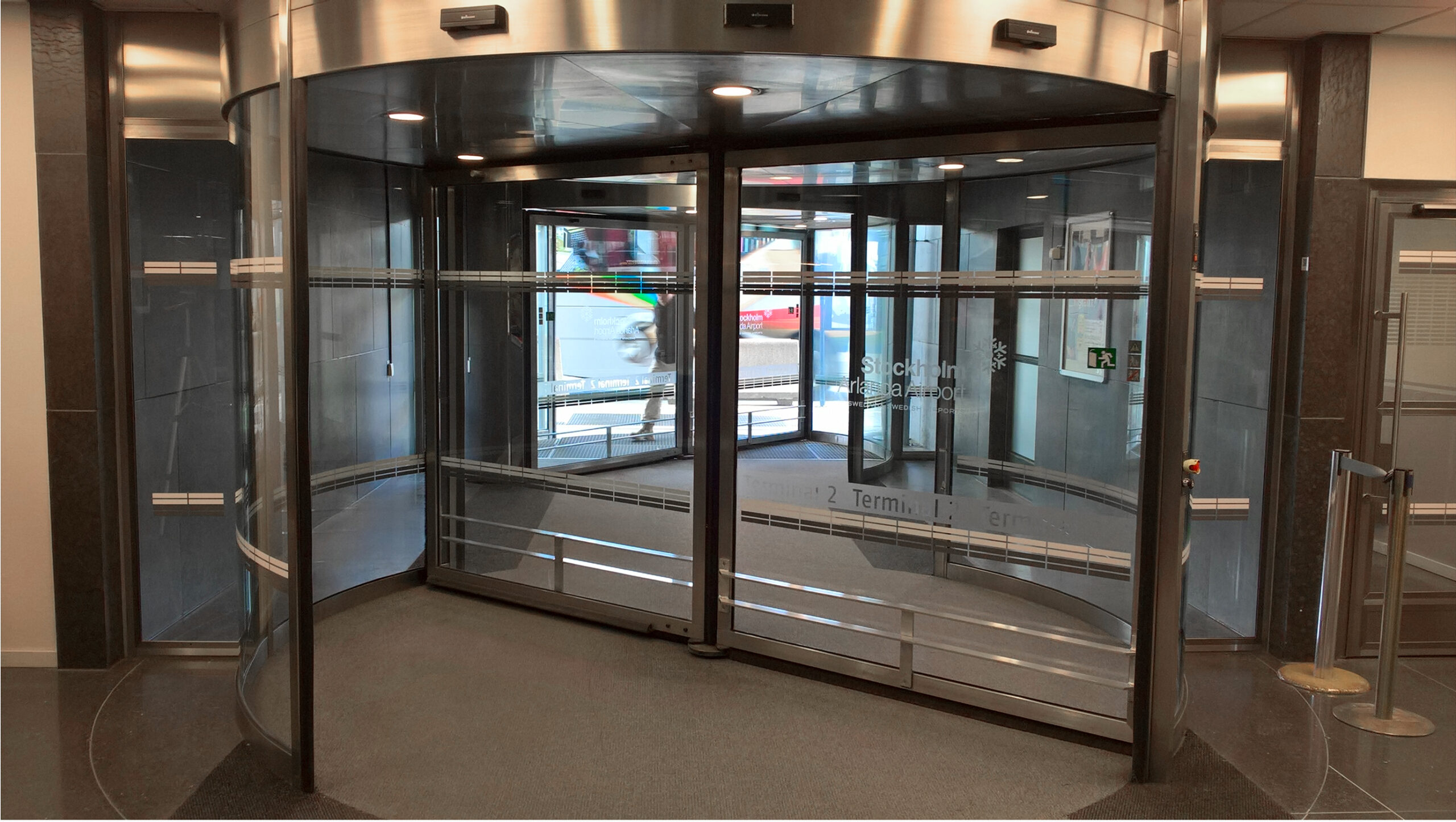
Glass marking AR & signs

Two-color markings for best contrast.

Help with inventory and installation?

We know what different surfaces require and have the experience and methods to carry out the installation correctly. When it comes to guidance paths, it is particularly important that the installation is carried out in accordance with current standards and accessibility requirements.

Starting from Stockholm, Gothenburg, and Malmö, we can help you survey, propose solutions, and install guidance strips in stone floors, scraping grates in entrance carousels, and on other types of surfaces.

Contact us for a quote

References trails


Breadcrumbs: All Products