asdasdasd




LAWS AND REGULATIONS
Accessibility reqirements vary between countries, but the principle is the same: public buildings and spaces should be accessible and usable for everyone.
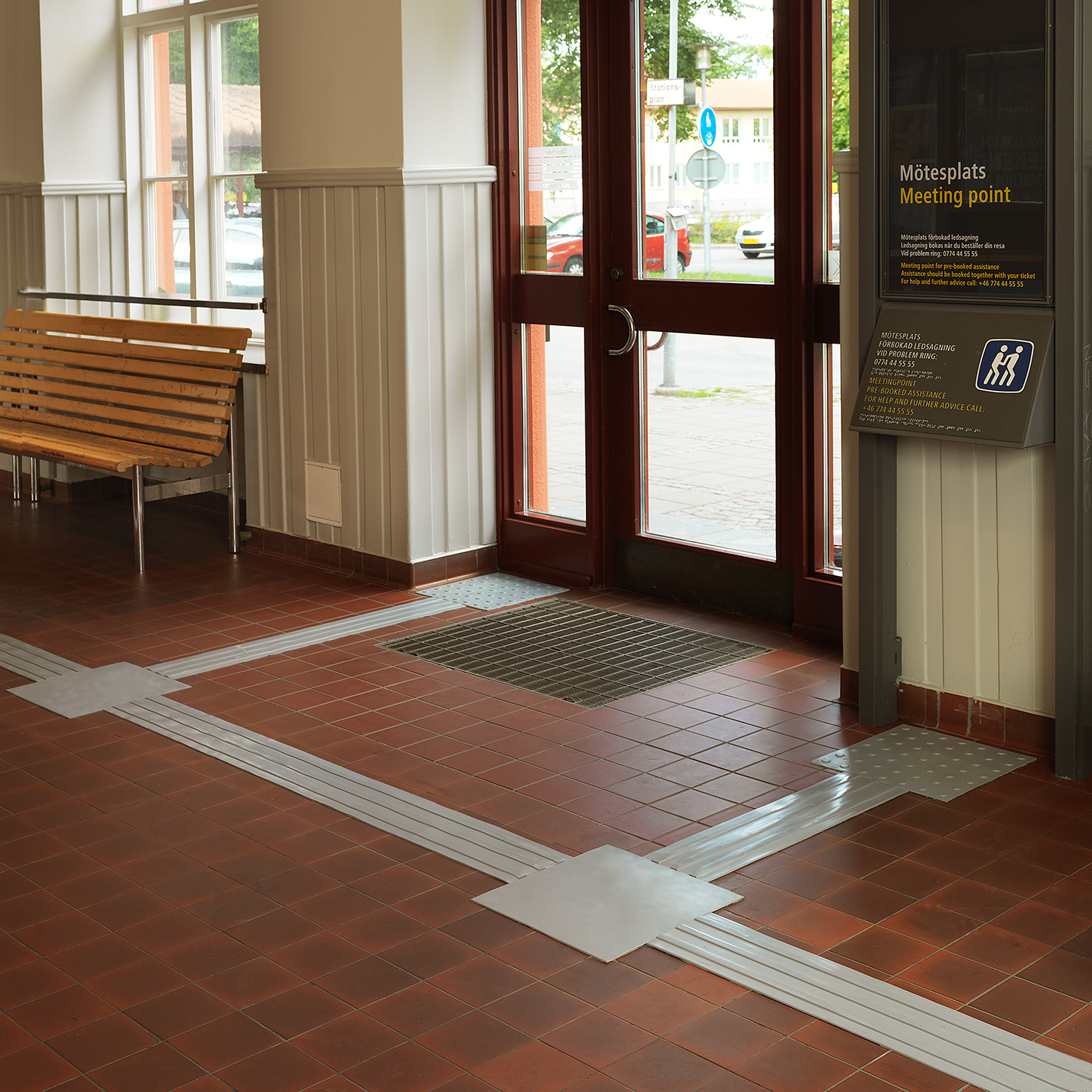
Tactile guidance paths help people with visual impairments navigate safely and independently. They are used where there are no natural wayfinding cues, such as walls, fences or kerbs, providing a clear tactile route through public spaces and buildings.
Tactile guidance paths are commonly used in environments such as hospitals, universities, government buildings, transport hubs, and commercial public spaces, including shopping centres and retail stores, where they help people with visual impairments navigate independently. sets out requirements for accessibility and wayfinding in both new builds and major refurbishments. Examples of environments where guidance pathways are needed include hospitals, universities, government offices and stations, as well as commercial public spaces such as shopping centres and shops, where people with visual impairments need to be able to find their way around independently.
In addition to laws and regulations, guiding principles have been develped, rekommendationer, till exempel Svensk Handels guide ”like the Swedish "Boutique for everyone"that offers guidance and practical tips on how to create a more accessible and inclusive customer experience.
LOCATION & DIMENSIONS OF TACTILE PATHS AND WARNING SURFACES
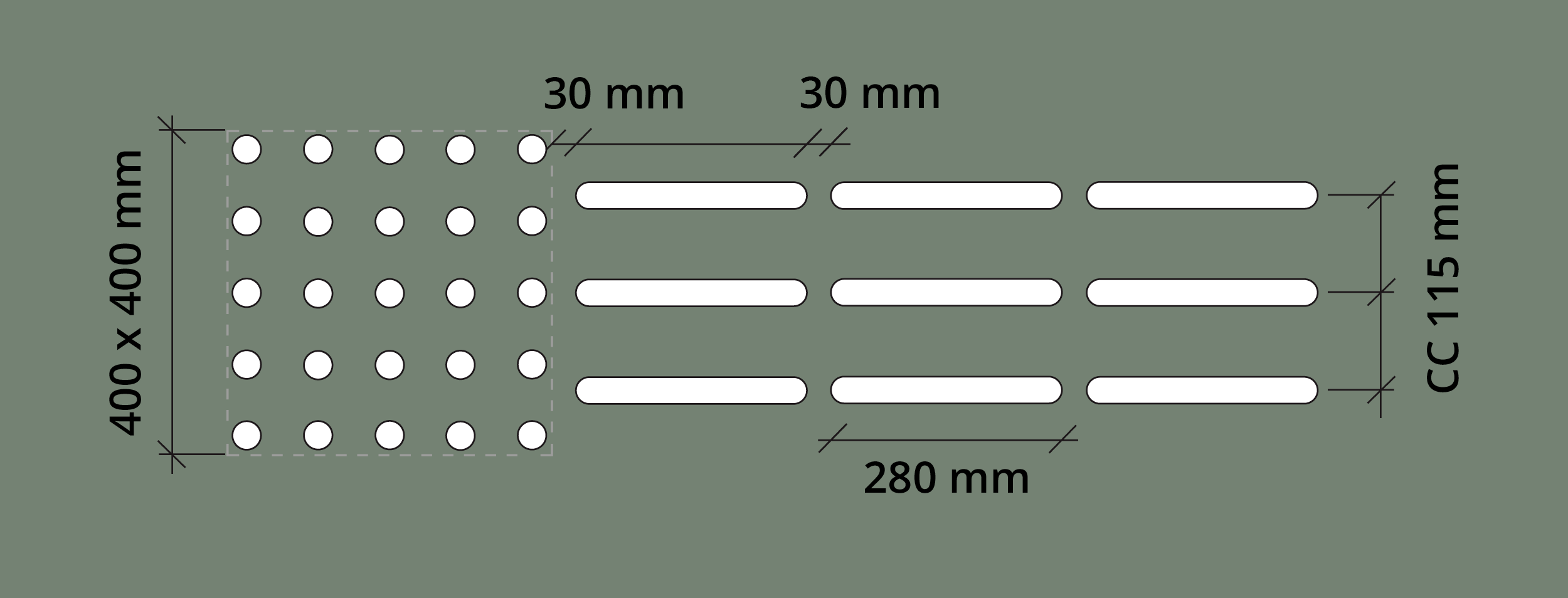
VISUAL CONTRASTS
In addition to being clearly detectable with a cane and underfoot, they should also have visuell kontrasta visual contrast with the surrounding surface, ensuring they also provide guidance for people with low vision and others who have difficulty with orientation.
According to current standards, the contrast should be at least 0.4 NCS (Natural Colour System) or 30-40 points LRV (light reflectance value).
This provides insufficient contrast with the surrounding surface.,
This creates a clear visual contrast.
DIFFERENT TYPES
Tactile guidance paths can be installed on a wide range of surfaces or integrated directly into entrance matting. With a broad selection of materials and finishes, Matting offers solutions that meet current accessibility requirements while complementing the architecture and design of the surrounding environment. Browse our range of tactile guidance paths and indicators.


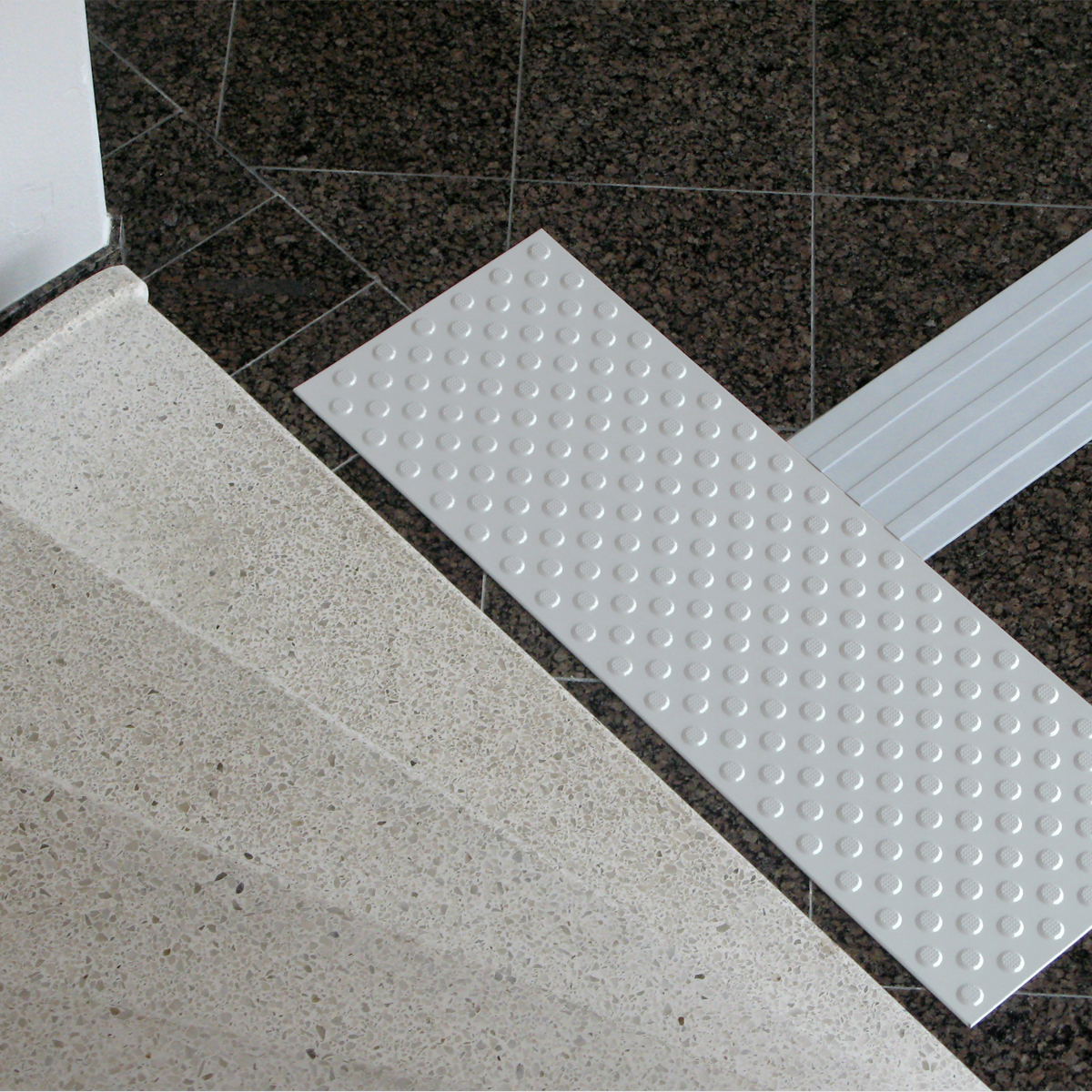
Stair markings
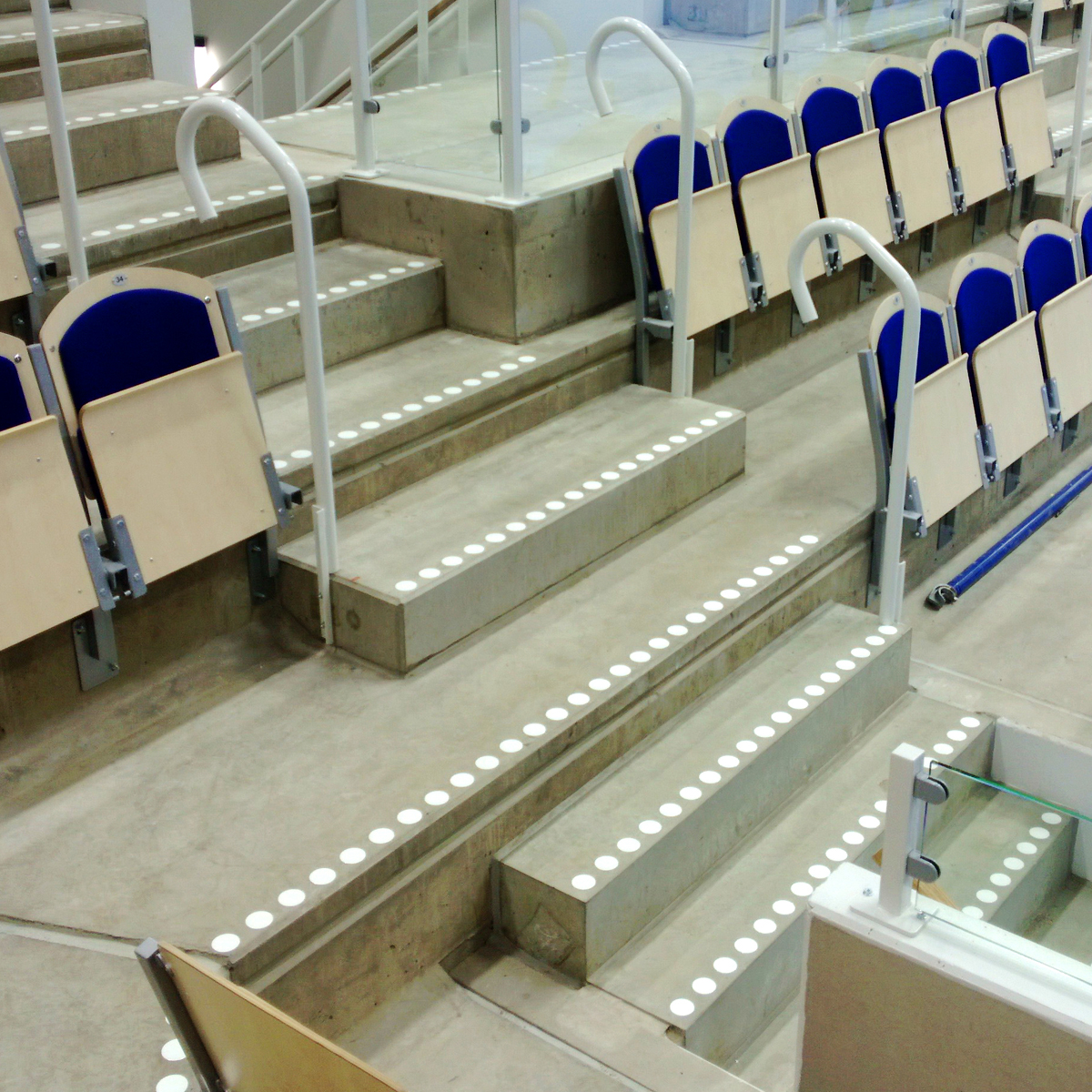
contrast markings
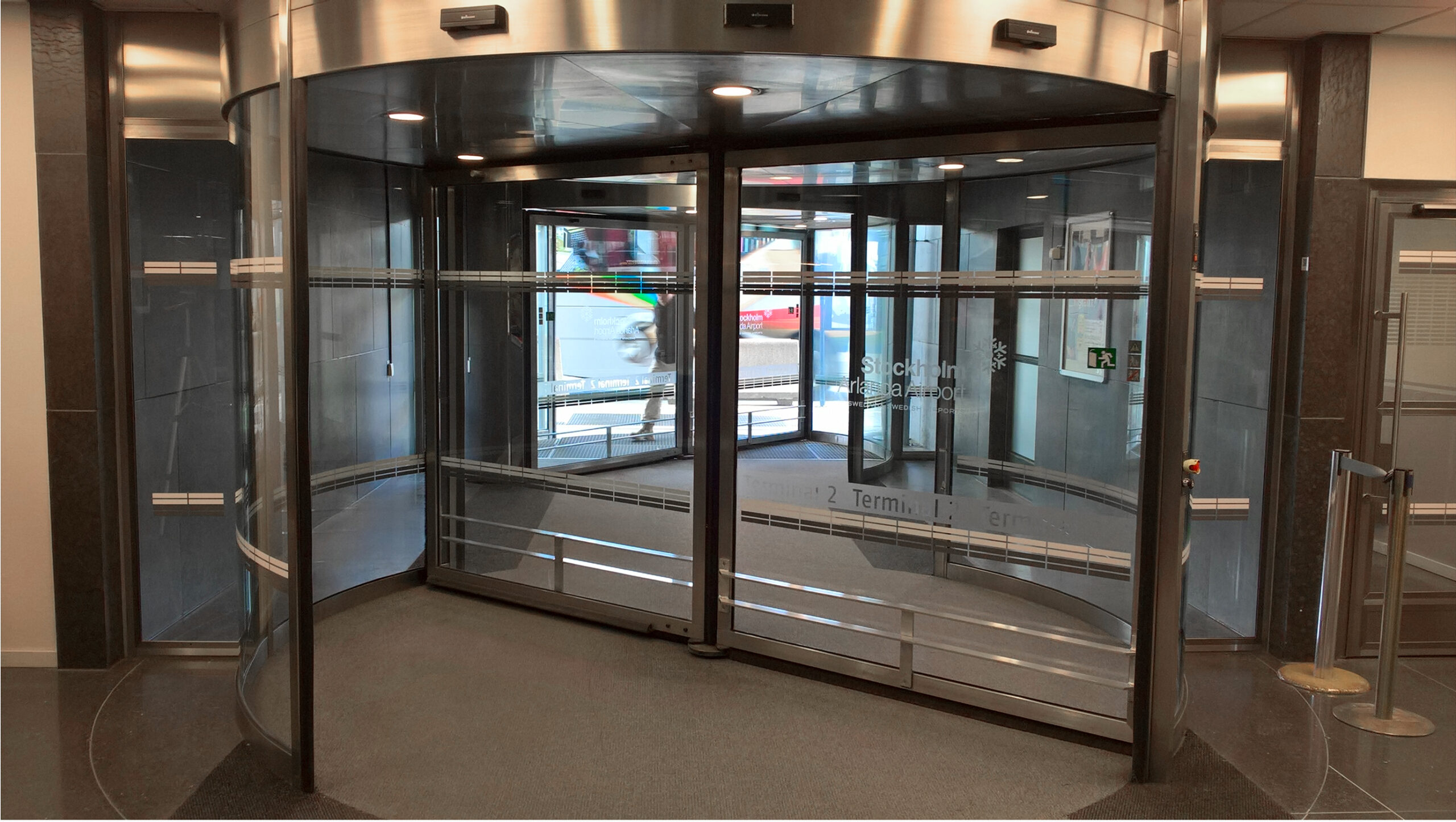
Glass markings & signs